Audio Editing
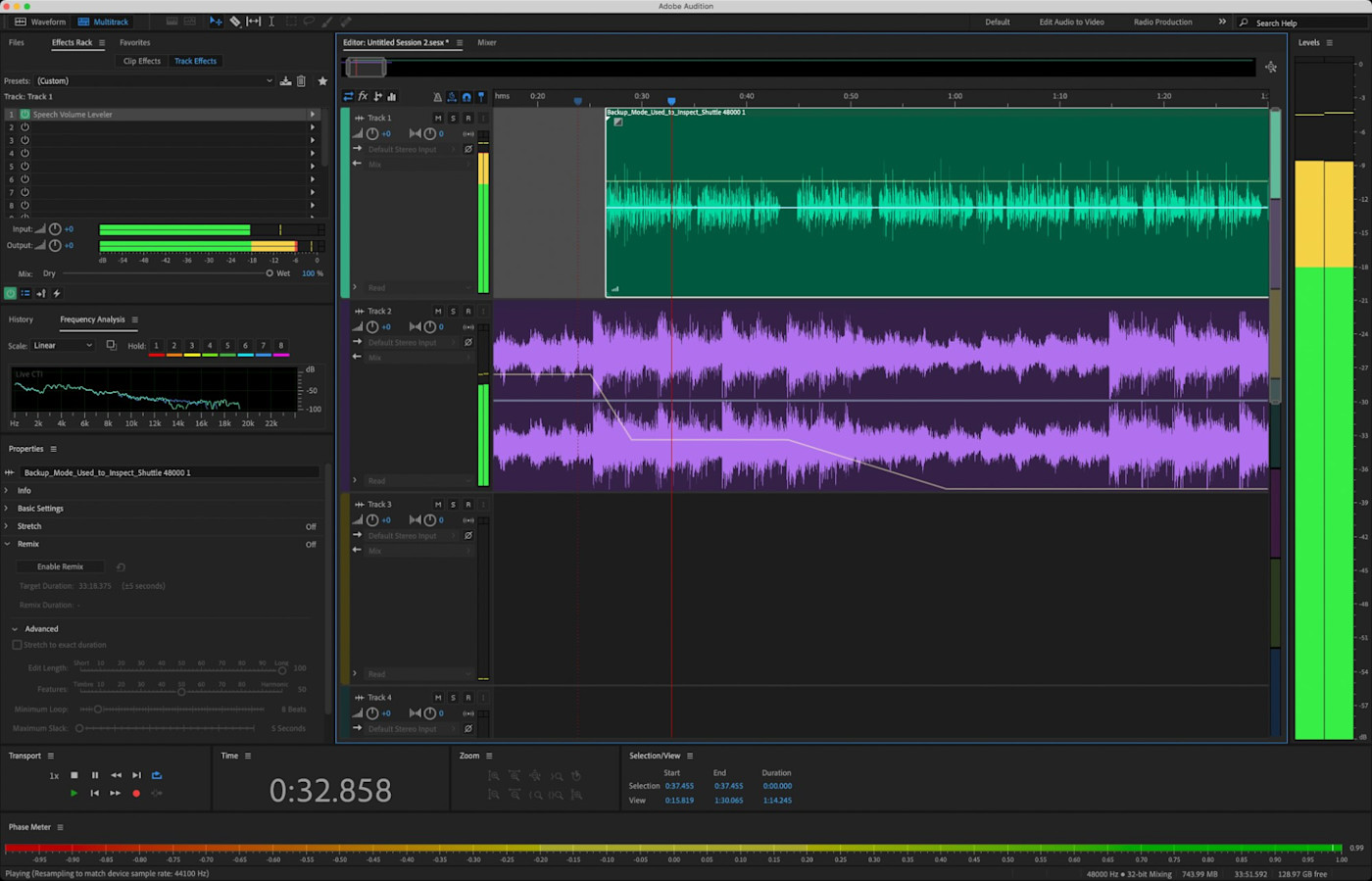
Audio Editing: The Art of Refining Sound
Audio editing is an essential step in the post-production process, transforming raw audio recordings into polished, professional-sounding files. Whether you're a musician, podcaster, or filmmaker, understanding the art of audio editing can make all the difference in the quality of your final product. In this comprehensive guide, we'll delve into the world of audio editing, covering the basics, essential techniques, and practical tips to help you refine your sound.
Understanding the Basics of Audio Editing
Before diving into the world of audio editing, it's essential to understand the fundamental concepts. Here are the key terms and concepts to get you started:
- Waveform: A visual representation of your audio file, displaying the amplitude (loudness) and frequency (pitch) of the sound over time.
- Sample Rate: The number of samples taken per second to capture the audio signal. Common sample rates include 44.1 kHz (CD quality) and 48 kHz (DVD quality).
- Bit Depth: The number of bits used to represent the amplitude of each sample. Common bit depths include 16-bit (CD quality) and 24-bit (professional quality).
- Audio File Formats: Popular formats include WAV, MP3, and AIFF. Each format has its own compression and quality characteristics.
Essential Techniques for Refining Sound
Once you have a solid understanding of the basics, it's time to dive into the world of audio editing techniques. Here are some essential techniques to help you refine your sound:
Cleaning Up Noise and Distortion
Noise and distortion can quickly ruin an otherwise great recording. Here are some techniques to help you clean up your audio:
- Noise Reduction: Use plugins or software to reduce background noise, hiss, and hum.
- EQ: Adjust the tone of your audio, cutting or boosting specific frequencies to balance the sound.
- Compression: Limit the dynamic range, evening out loud and quiet sections.
- De-breathing: Remove unwanted breath sounds and mouth noise.
- De-essing: Reduce harsh sibilance and ess sounds.
- Stereo Imaging: Enhance the stereo field, creating a wider and more immersive soundstage.
- Use High-Quality Headphones: Accurate monitoring is crucial for making informed editing decisions.
- Work in a Quiet Environment: Minimize background noise and distractions to focus on your editing.
- Reference, Reference, Reference: Compare your edited audio to reference tracks or commercial recordings to ensure you're meeting industry standards.
Enhancing Clarity and Definition
To make your audio sound more professional, focus on enhancing clarity and definition:
Practical Tips for Audio Editing
With the basics and essential techniques under your belt, it's time to get practical. Here are some tips to help you improve your audio editing skills:
Conclusion
Audio editing is a complex and nuanced process, requiring patience, practice, and dedication. By understanding the basics, mastering essential techniques, and applying practical advice, you can refine your audio and take your productions to the next level. Whether you're a seasoned pro or just starting out, remember that audio editing is a continuous learning process. Keep experimenting, learning, and pushing the boundaries of what's possible in the world of sound.
Happy editing!